Strength
Strength training during weight loss: the simple plan people skip
Use this post to give readers a simple two-day strength framework that supports function and protein planning without turning into gym-bro advice.

Why strength work belongs in the plan
The Physical Activity Guidelines for Americans include muscle-strengthening activities for adults on two or more days per week. For weight-loss readers, that matters because the plan should not only chase the scale. Strength work supports function, confidence and daily capacity while nutrition, medication or appetite changes are happening.
- Two days per week is a cleaner first target than a perfect gym schedule.
- Use movements that cover legs, push, pull, hinge and core.
- Keep the first month easy enough that soreness does not stop walking or normal life.
A simple two-day template
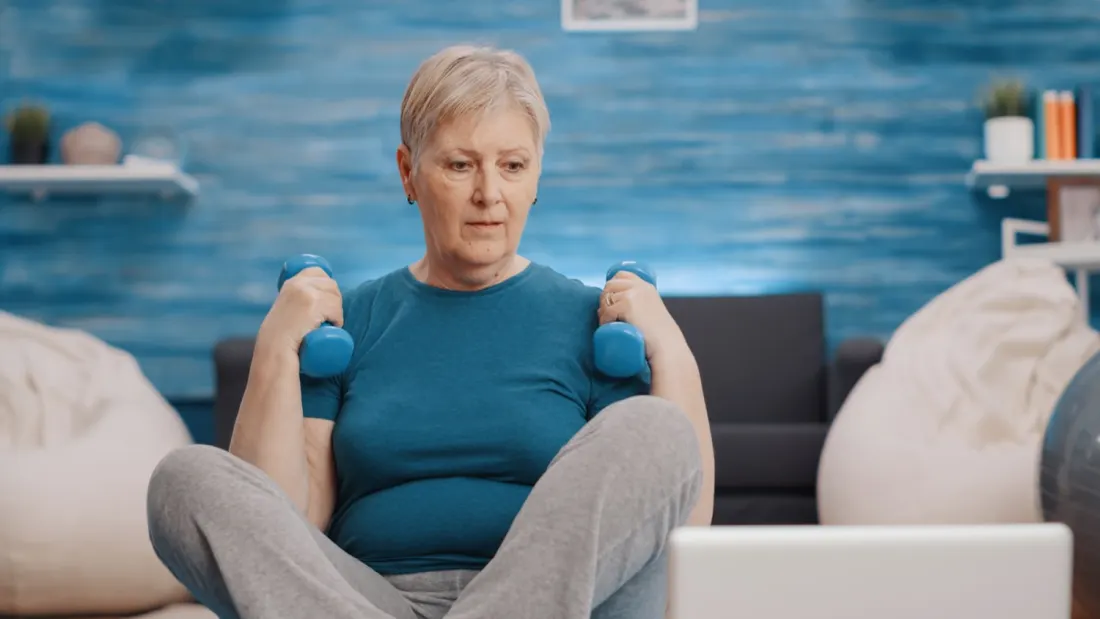
Start with a short full-body routine. Day A can include sit-to-stand or goblet squat, wall or incline push-ups, band rows, hip hinges and a carry. Day B can include step-ups, overhead press with light weights or bands, another row, glute bridge and a plank variation. Stop well before form breaks. The first goal is practice, not exhaustion.
- Do 1 to 2 sets per movement while learning.
- Choose a version that feels stable, controlled and pain-free.
- Add reps or resistance slowly, not every session because a tracker tells you to.

Pair strength with enough intake
If appetite is low from GLP-1 treatment or a calorie deficit, strength training needs food support. The protein calculator can help create a planning number, but medical conditions such as kidney disease, diabetes, pregnancy or active eating-disorder treatment change the conversation. Ask a clinician or dietitian when personal targets matter.
- Put protein near the training window if the rest of the day is unpredictable.
- Take dizziness, fainting, chest pain or unusual shortness of breath seriously.
- If pain persists, stop the movement and get qualified help instead of forcing it.
Make the routine small enough to repeat
Use this page on Strength training during weight loss: the simple plan people skip as a routine builder, not as a motivation speech. Lifestyle advice works only when the first version is small enough to repeat during ordinary weeks. A useful plan should account for sleep, schedule, stress, appetite, weather, soreness and the reader's current baseline. The best routine is not the most impressive one; it is the one that survives the first seven days.
- Start with the smallest version that can happen consistently.
- Tie the routine to an existing cue such as breakfast, lunch, bedtime or a calendar reminder.
- Track completion before trying to optimize intensity.
- Avoid all-or-nothing rules that turn one missed day into giving up.
Where health context changes the advice
The source set for this article includes health.gov: Physical Activity Guidelines for Americans, CDC: physical activity and your weight and health and CDC: tips for healthy eating for a healthy weight. Those sources can guide a general routine, but individual context still matters. Blood pressure, diabetes risk, joint pain, sleep disorders, mental health, medications, GLP-1 side effects and eating patterns can all change what is appropriate. If the reader has symptoms or a diagnosed condition, the routine should support care rather than pretend to replace it.
- Adjust the routine for pain, dizziness, fatigue, low intake or poor sleep.
- Ask a clinician about warning signs that should change the plan.
- Keep food, activity and sleep goals compatible with each other.
- Use progress notes to identify patterns instead of judging willpower.
How to know whether it is working
A routine is working when it becomes easier to repeat and produces a clearer pattern. Track what happened, what got in the way and what should change next week. For weight-loss readers, useful signals may include energy, cravings, steps, strength, sleep timing, blood-pressure readings, meal consistency or side-effect patterns. Scale weight can be one data point, but it should not be the only measure of whether the routine is worth keeping.
- Review the week before adding new rules.
- Keep one or two metrics that match the goal of the page.
- Make the next version easier if the current version keeps failing.
- Use setbacks as planning data, not as proof the routine is impossible.
Bottom line
The useful takeaway is deliberately plain: use Strength training during weight loss: the simple plan people skip to make one better decision, not to chase a shortcut. The source trail includes health.gov: Physical Activity Guidelines for Americans, CDC: physical activity and your weight and health and CDC: tips for healthy eating for a healthy weight, but the article still has to leave room for personal context, changing prices, medication access, symptoms and clinician judgment. A reader should finish with clearer questions, a better sense of what is supported, and less pressure to act on a headline, viral recipe, isolated screenshot or sales page. If the next step involves medication, supplements, blood-pressure concerns or persistent symptoms, bring the question back to licensed care before treating the article as a plan.
- Keep the source-backed claim separate from personal medical advice.
- Write down the next question before comparing another offer or trend.
- Use the related pages when the topic naturally leads to cost, food, safety or provider decisions.
- Skip any shortcut that cannot explain evidence, limits and follow-up clearly.
Common questions
Do I need a gym to start strength training?
No. Many beginners can start with bodyweight, bands, light dumbbells or household-friendly movements, but medical and injury limits should guide the safest version.
Two strength days for weight loss beginners
If you are losing weight, do not skip the two strength days.
- Two-day goal
- Five movement patterns
- Easy sets
- Protein and safety
Related reading
- Protein calculator (internal)
- Walking beginner plan (internal)
- GLP-1 grocery list (internal)
What to verify
- Whether the reader has medical or orthopedic limits before resistance training
- Whether current intake supports more activity during weight loss
- Whether pain, dizziness, chest symptoms or unusual shortness of breath requires evaluation
Sources
- health.gov: Physical Activity Guidelines for Americans
Official HHS physical-activity guidelines gateway.
- CDC physical activity and weight
CDC guidance on activity and weight management.
- CDC healthy eating for a healthy weight
CDC practical healthy-eating guidance.
Educational content only. This post is not medical advice, diagnosis, treatment guidance or a substitute for a licensed clinician.