We may earn a commission from partner links.How we make money

Side-effect support

GLP-1 constipation, nausea and meal planning

Use this post to help readers plan tolerable meals while making clear that side effects and medication changes belong with clinicians.

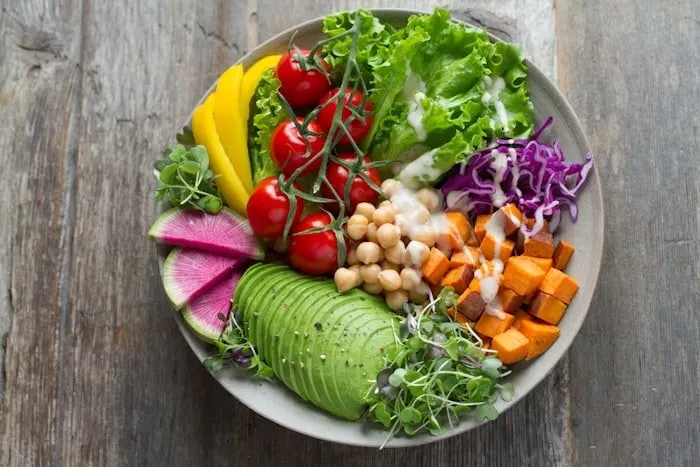
Light salad bowls for gentle meal planning.

Track the symptom before changing the plan

When nausea or constipation appears, write down timing, dose day, meals, fluids, bowel pattern, vomiting, diarrhea, activity and any other medications. That short log gives a clinician better information than a vague memory. It also helps you see whether symptoms cluster around dose changes, low intake, dehydration or specific foods.

  • Note severity and whether symptoms are improving or getting worse.
  • Track fluids and meals on low-appetite days.
  • Ask what symptoms should trigger urgent care or a dose-plan conversation.

Build meals smaller and clearer

CDC healthy-eating guidance emphasizes nutrient-dense foods and balanced choices. On GLP-1 treatment, that often means smaller meals with clear priorities: protein first, produce or fiber-rich foods as tolerated, and simple backup options when normal meals feel too large. The goal is not to eat as little as possible. The goal is to keep enough structure that side effects do not turn into under-eating.

  • Use simple protein anchors such as eggs, yogurt, beans, tofu, fish or poultry where tolerated.
  • Keep gentle backup foods available for nausea days.
  • Avoid turning every symptom into a stricter diet rule.
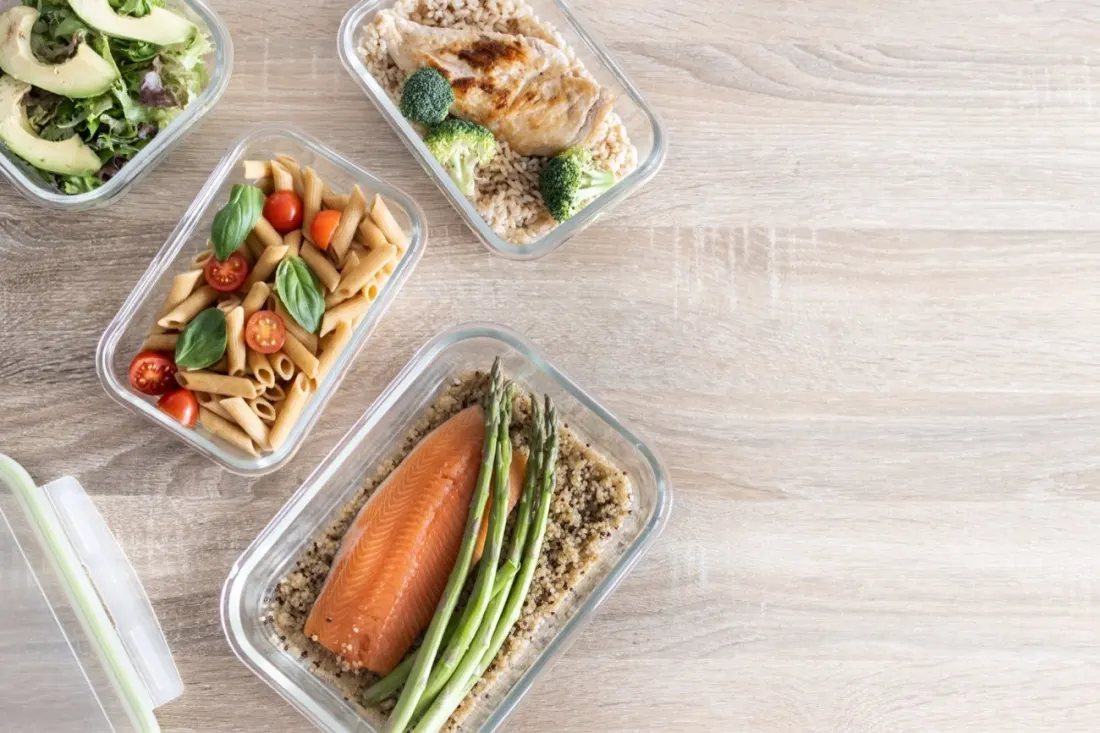
Prepared containers with simple protein-forward meals.
Meal planning should protect intake when side effects make eating less predictable.

Know when the meal plan is not enough

A blog cannot tell you whether nausea, vomiting, constipation or abdominal pain is safe for you to manage at home. MedlinePlus drug pages tell patients to contact a doctor when side effects are severe or do not go away. If symptoms interfere with hydration, eating, work, sleep or normal bowel function, use your care path rather than guessing from social comments.

  • Do not change medication dose or timing from a TikTok routine.
  • Bring the symptom log to the prescriber.
  • Use the meal planner as support, not as medical treatment.

Make the advice usable on a normal day

Use this page on GLP-1 constipation and nausea: meal planning questions to ask as a planning guide, not as a strict diet rule. Nutrition content is most useful when it survives low appetite, busy schedules, nausea, constipation, travel and ordinary meals with family. The goal is to create repeatable defaults: a protein anchor, a tolerable fruit or vegetable, enough fluids and a backup option for days when appetite is lower than expected.

  • Build the meal around foods the reader can actually tolerate.
  • Keep backup options ready for low-appetite or high-symptom days.
  • Use protein, fiber and fluids as planning anchors rather than punishment.
  • Avoid turning a helpful target into a rigid rule.

Where medical context changes the plan

The source set for this article includes MedlinePlus: semaglutide drug information, MedlinePlus: GLP-1 agonists and CDC: tips for healthy eating for a healthy weight, but nutrition still depends on medical context. Diabetes medication, kidney disease, blood-pressure guidance, pregnancy, eating-disorder history, gastrointestinal disease and side effects can all change what is appropriate. A food plan that works for one reader may be a poor fit for another, especially when GLP-1 medication changes appetite, digestion or meal size.

  • Ask whether protein, sodium, fiber or fluid targets need personal adjustment.
  • Watch for side effects that make intake too low or too limited.
  • Bring persistent nausea, vomiting, constipation or dehydration concerns back to the prescriber.
  • Use meal structure to support care, not to replace care.

How to check progress without overcorrecting

Track the pattern for a week before making the plan more complicated. Useful notes include meal timing, protein anchors, fluids, bowel changes, nausea, hunger, food noise, blood-pressure readings if relevant and whether the plan felt realistic. If the routine fails, simplify it before replacing it. A good nutrition page should help a reader make the next meal easier, not add another unrealistic standard.

  • Track what was eaten, what was tolerated and what was skipped.
  • Notice whether the plan improves energy, symptoms and consistency.
  • Adjust the routine one lever at a time.
  • Use calculators and meal plans as guides, not prescriptions.

Bottom line

The useful takeaway is deliberately plain: use GLP-1 constipation and nausea: meal planning questions to ask to make one better decision, not to chase a shortcut. The source trail includes MedlinePlus: semaglutide drug information, MedlinePlus: GLP-1 agonists and CDC: tips for healthy eating for a healthy weight, but the article still has to leave room for personal context, changing prices, medication access, symptoms and clinician judgment. A reader should finish with clearer questions, a better sense of what is supported, and less pressure to act on a headline, viral recipe, isolated screenshot or sales page. If the next step involves medication, supplements, blood-pressure concerns or persistent symptoms, bring the question back to licensed care before treating the article as a plan.

  • Keep the source-backed claim separate from personal medical advice.
  • Write down the next question before comparing another offer or trend.
  • Use the related pages when the topic naturally leads to cost, food, safety or provider decisions.
  • Skip any shortcut that cannot explain evidence, limits and follow-up clearly.

Common questions

Should I change my dose because of nausea or constipation?

Dose changes are medical decisions. Bring persistent or concerning symptoms to the prescribing clinician.

GLP-1 nausea or constipation: what to track

Before changing everything you eat, track these details for your clinician.

  • Dose timing
  • Meals and fluids
  • Symptom severity
  • When to call

Related reading

What to verify

  • Whether symptoms are severe, persistent or urgent
  • Whether hydration and meal timing are realistic
  • Whether medication timing or dose questions need clinician input

Sources

  1. MedlinePlus: GLP-1 agonists

    NIH/NLM consumer overview of GLP-1 agonists.

  2. CDC healthy eating for a healthy weight

    CDC practical healthy-eating guidance.

  3. MedlinePlus: semaglutide drug information

    NIH/NLM drug information covering semaglutide uses, warnings and common side effects.

Educational content only. This post is not medical advice, diagnosis, treatment guidance or a substitute for a licensed clinician.