
Apps
Blood pressure apps: what to check before you trust the numbers
Use this post to distinguish a useful blood-pressure log from risky app or wearable measurement claims.
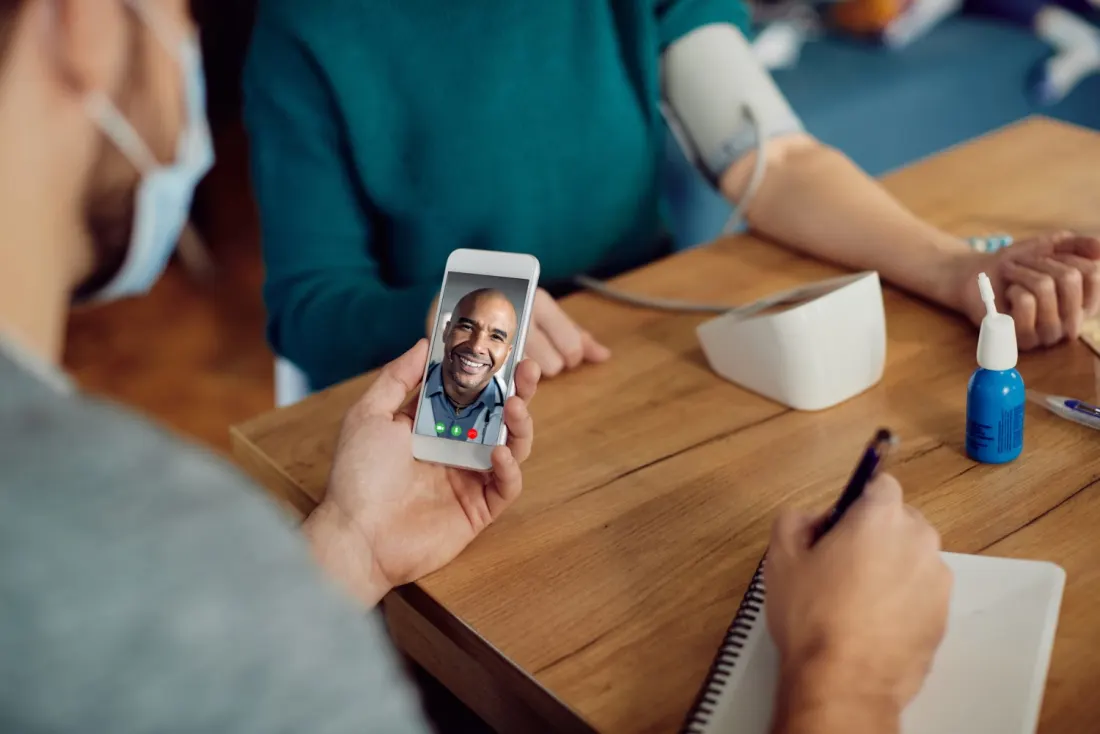
Separate logging from measuring
The first question is whether the app measures blood pressure or simply records readings from a cuff. Logging can be useful. A measurement claim is a medical-device claim that deserves much more scrutiny. FDA says it oversees a subset of device software functions, including functions that may affect patient safety if they do not work as intended.
- Logging app: stores readings, notes, medication timing or reports.
- Device-linked app: receives readings from a blood-pressure monitor.
- Measurement claim: says a phone, watch, ring or software feature can measure blood pressure directly.
Use a validated cuff and correct technique
FDA has warned consumers not to use unauthorized blood-pressure devices, including software features on wearables that claim to measure blood pressure, because safety and effectiveness may not have been reviewed. CDC also emphasizes technique: sit correctly, support the arm, use the cuff on bare skin, keep feet flat and avoid talking. A beautiful app cannot fix poor measurement technique.
- Use an upper-arm cuff that fits your arm unless your clinician recommends another option.
- Measure after a few quiet minutes and record the time, symptoms and context.
- Ask your care team whether your home monitor should be checked against an office reading.
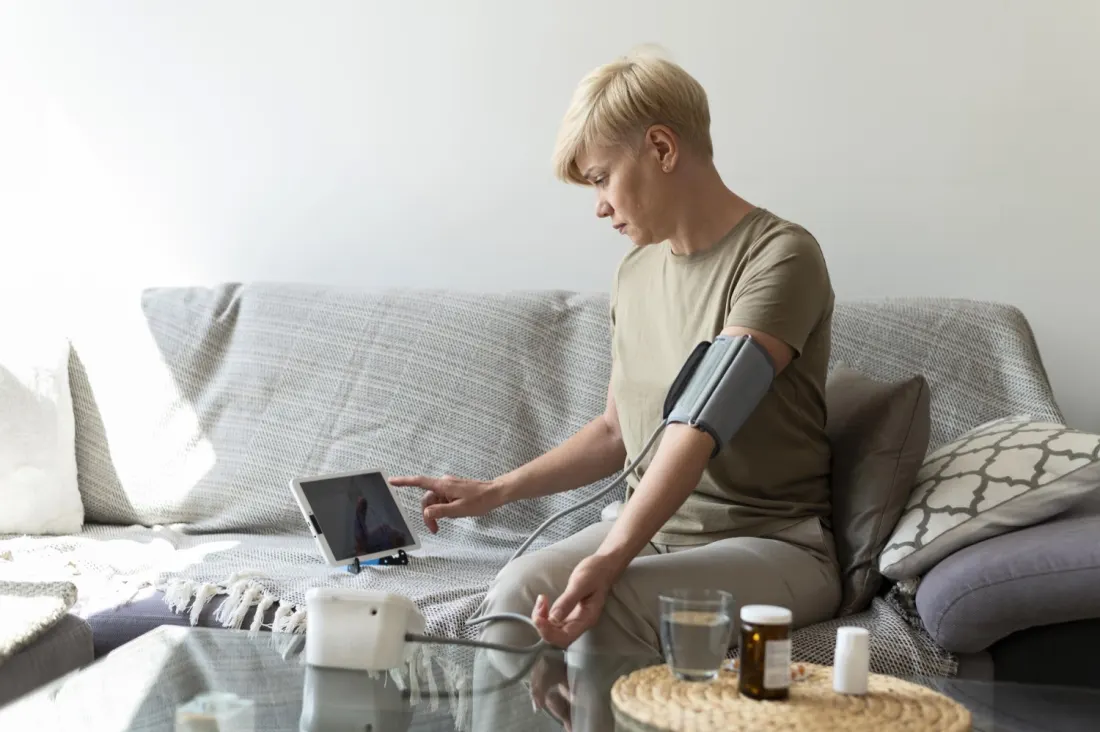
What to share with a clinician
Million Hearts points to self-measured blood pressure monitoring as a care process, especially when readings are paired with clinical support. That is the role an app can play well: organizing data so it is easier to discuss patterns. Share averages, unusually high readings, symptoms, medication timing and whether the device is validated. Do not change medication based only on an app interpretation.
- Bring the device name, cuff size and app export if possible.
- Mark readings taken during pain, stress, caffeine, exercise or missed medication.
- Ask what reading range requires same-day advice or urgent care.
Put the numbers in context
Use this page on Blood pressure apps: what to check before you trust the numbers to make blood-pressure decisions more concrete. A single number is rarely enough. Technique, cuff size, timing, caffeine, exercise, stress, medication timing and symptoms can all affect what a reading means. The article should help the reader document the pattern and know when a clinician should interpret the result instead of relying on a quick-fix post.
- Repeat readings according to the technique recommended by a reliable source or clinician.
- Log time, cuff position, symptoms and recent activity when readings are unusual.
- Do not use an app, recipe or supplement to dismiss very high readings.
- Treat symptoms with high readings as a reason to seek care promptly.
Make the routine blood-pressure aware
The source set for this article includes FDA: device software functions including mobile medical applications, FDA: do not use unauthorized devices for measuring blood pressure and CDC: Measuring your blood pressure. The practical routine should connect those sources to everyday levers: sodium, potassium-rich foods when appropriate, protein, fiber, activity, sleep, alcohol, smoking, stress and medication adherence. This is especially important for readers comparing weight-loss care, because appetite changes can shift food choices toward salty convenience foods unless the plan is prepared in advance.
- Keep lower-sodium defaults available before appetite or schedule gets chaotic.
- Pair weight-loss goals with blood-pressure monitoring when hypertension is part of the picture.
- Ask whether medication changes, supplements or dehydration could affect readings.
- Use meal planning to reduce guesswork, not to promise instant blood-pressure drops.
When the article should send you back to care
A blood-pressure article should not pretend to diagnose, treat or replace medication decisions. It should help the reader know what to ask next. If readings are repeatedly high, suddenly different, paired with symptoms or confusing because of medication changes, that belongs with a clinician. The best outcome is a clearer log, better questions and fewer miracle claims competing with care.
- Bring a week of readings rather than one isolated number when possible.
- Ask what range should trigger a call, appointment or urgent care.
- Review sodium, alcohol, sleep and activity without ignoring prescribed treatment.
- Avoid content that promises immediate control from a drink, hack or device.
Bottom line
The useful takeaway is deliberately plain: use Blood pressure apps: what to check before you trust the numbers to make one better decision, not to chase a shortcut. The source trail includes FDA: device software functions including mobile medical applications, FDA: do not use unauthorized devices for measuring blood pressure and CDC: Measuring your blood pressure, but the article still has to leave room for personal context, changing prices, medication access, symptoms and clinician judgment. A reader should finish with clearer questions, a better sense of what is supported, and less pressure to act on a headline, viral recipe, isolated screenshot or sales page. If the next step involves medication, supplements, blood-pressure concerns or persistent symptoms, bring the question back to licensed care before treating the article as a plan.
- Keep the source-backed claim separate from personal medical advice.
- Write down the next question before comparing another offer or trend.
- Use the related pages when the topic naturally leads to cost, food, safety or provider decisions.
- Skip any shortcut that cannot explain evidence, limits and follow-up clearly.
Common questions
Can a phone app replace a blood-pressure cuff?
A logging app can help organize readings, but blood-pressure measurement should rely on an appropriate validated device and clinician guidance.
Blood pressure apps: the one question to ask first
Before trusting a blood-pressure app, ask whether it logs readings or claims to measure them.
- Logging vs measuring
- FDA warning
- Cuff technique
- What to share
Related reading
- Blood pressure chart (internal)
- How to lower blood pressure (internal)
- Blood-pressure-friendly meals (internal)
What to verify
- Whether the app logs readings or claims to measure blood pressure
- Whether the connected device is clinically validated and uses the right cuff size
- What the clinician wants the reader to do with high readings or symptoms
Sources
- FDA: Device software functions including mobile medical applications
FDA overview of mobile medical app and device software oversight.
- FDA: Do not use unauthorized devices for measuring blood pressure
FDA safety communication on unauthorized blood-pressure devices and software features.
- CDC: Measuring your blood pressure
CDC technique guidance for accurate blood-pressure measurement.
- Million Hearts: Self-measured blood pressure monitoring
HHS/Million Hearts SMBP resource and validated-device context.
Educational content only. This post is not medical advice, diagnosis, treatment guidance or a substitute for a licensed clinician.